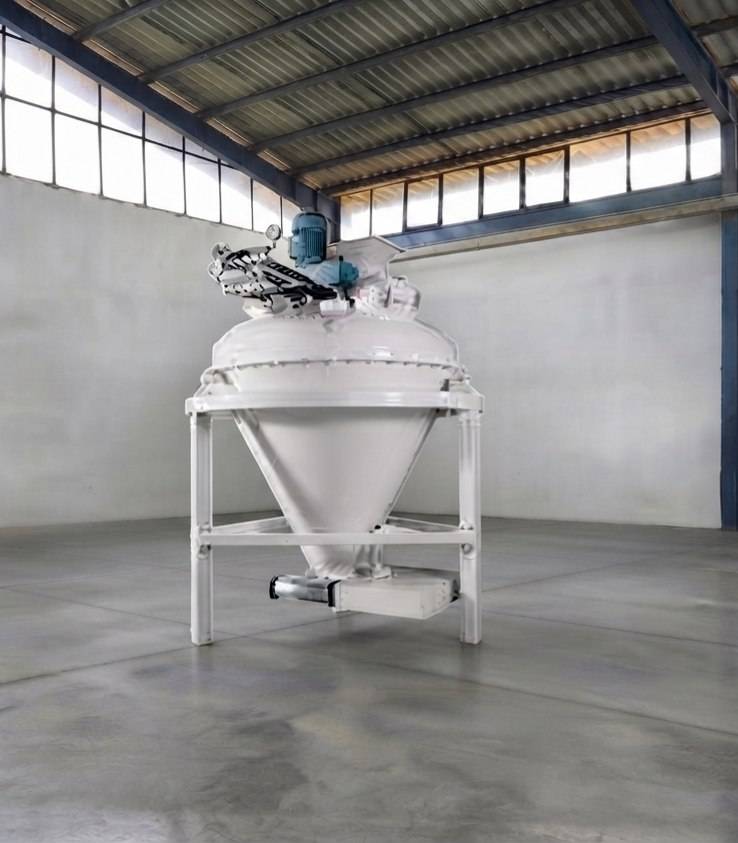

Advanced Solutions for Micronutrient Enrichment
In the production of livestock, poultry, aquaculture, and pet food, one of the primary challenges for process engineers is the uniform and high-quality application of oils, fats, and heat-sensitive micronutrients (such as vitamins, enzymes, and amino acids) into the internal structure of a pellet or extrudate.Traditional coating methods (such as surface spraying on standard drum coaters) are limited by the dense physical structure of the feed, resulting in additives only resting on the surface. This leads to nutrient wastage, reduced product quality, and issues during packaging and transport. Furthermore, for specialized products like aquaculture feed—which must either float or sink reliably—surface-only coating is a significant technical failure.The Vacuum Coater technology serves as an advanced engineering solution to this complex equation. Below, we explore the structure, operating mechanism, and advantages of this equipment within Grama Electric’s production lines.
1. How Does the Vacuum Coater Mechanism Work?
The operation of a Vacuum Coater is based on creating a pressure differential and utilizing the physical phenomenon of capillary suction within the porous structure of the pellet or extrudate. The coating process follows these critical stages:
- Loading and Isolation: A specific quantity of pelleted or extruded feed enters a sealed, vacuum-resistant chamber.
- Evacuation (Vacuum Phase): Using a powerful vacuum pump, the air present within the microscopic pores and capillary channels of the particles is completely evacuated. This stage is vital for enabling deep penetration.
- Liquid Injection: Under vacuum conditions, a pre-determined amount of oil, fat, flavoring, or micronutrient solution is sprayed through high-atomization automatic nozzles as a fine mist.
- Pressure Equalization Phase: Once the vacuum is broken and air is reintroduced, the atmospheric pressure returns rapidly. This sudden pressure surge acts like a natural pump, driving the sprayed liquid by suction force into the deepest points of the granules’ porous structure.
- Final Discharge: The finished product—now fully saturated with oils and nutrients while maintaining a dry exterior surface—is discharged from the machine.
2. Key Advantages of Using a Vacuum Coater in Production Lines
- Deep Penetration and High Uniformity: Unlike surface-level methods, oils and nutrients penetrate the core of the pellet, ensuring an even distribution throughout the entire mass.
- High Fat Coating Capacity: It enables the addition of high levels of fats and oils without causing common issues such as pellet stickiness, structural breakage, or greasy packaging bags.
- Protection of Heat-Sensitive Materials: Since spraying occurs in an oxygen-free (anaerobic) environment without high heat, the molecular structures of vitamins, probiotics, and enzymes remain intact and uncompromised.
- Improved Feed Conversion Ratio (FCR): Feeding animals with highly enriched and standardized diets improves growth efficiency in livestock, poultry, and aquaculture.
- Buoyancy Control in Aquaculture Feed: For fish and shrimp feed, the level of fat penetration is a deciding factor in whether a product floats or sinks; the Vacuum Coater ensures precise control over this parameter.
3. Industrial Applications
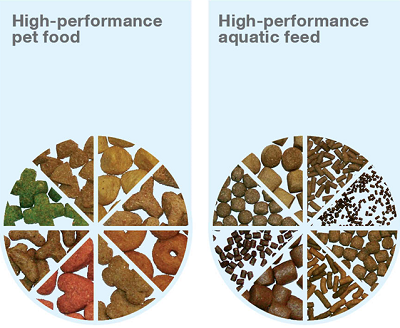
- Pet Food Industry: Enhancing palatability by injecting meat oils and flavor essences directly into the core of dry kibbles.
- Aquaculture Industry: Enriching shrimp and fish pellets with Omega-3 fatty acids and essential oils.
- Poultry and Dairy Feed: Precise addition of prebiotics, liquid amino acids, and high-value micronutrients during the final stage of production.
Frequently Asked Questions
Does using a vacuum coater cause pellets to break or crumble?
No. The internal chamber design and the machine’s rotors are engineered to apply minimal mechanical stress to the pellets, minimizing breakage and the production of fines (dust).
What types of liquids can be injected using this machine?
Animal and vegetable oils, melted fats, flavoring essences, vitamin solutions, enzymes, and organic acids are all suitable for injection in this system.