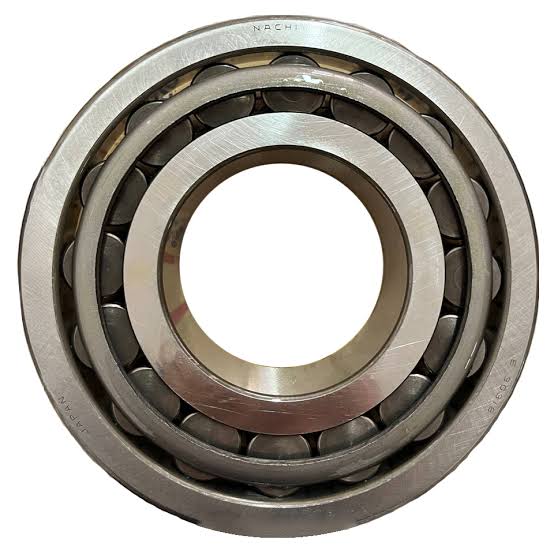




In heavy machinery such as pellet mills, the bearing is one of the most sensitive mechanical components. If the roller is the heart of the machine, the bearing is its backbone, enabling frictionless , precise movement.Given your activity in the field of industrial equipment, bearings in these machines are critical for several reasons:
1. Types of Bearings in a Pellet Mill
A pellet press typically relies on two main types of bearings:
- Main Shaft Bearings: These are the largest and heaviest bearings. Their function is to withstand the extremely heavy load of the motor and the tremendous pressure exerted on the main shaft by the die and rollers.
- Roller Bearings: These are smaller bearings located within or around the roller assembly, allowing the roller to rotate smoothly and without vibration over the die.
2. Key Challenges (Why Bearings Fail Prematurely in a Pellet Mill)
Operating in a feed production environment subjects bearings to extremely harsh conditions:
- High Temperature: The pelleting process generates very high temperatures due to friction. If the bearing’s cooling or lubrication system is inadequate, the oil or grease inside the bearing burns out, and the component fails.
- Dust & Contamination: Feed powder (such as bran or mineral compounds) is the number-one enemy of bearings. If the sealing system is weak, fine particles enter the bearing cavity and, acting like sandpaper, destroy the raceway on which the balls travel.
- Heavy Radial & Axial Loads: The pressure of the rollers against the die imposes severe radial forces on the bearings, which can cause ring breakage or damage to the ball raceways.